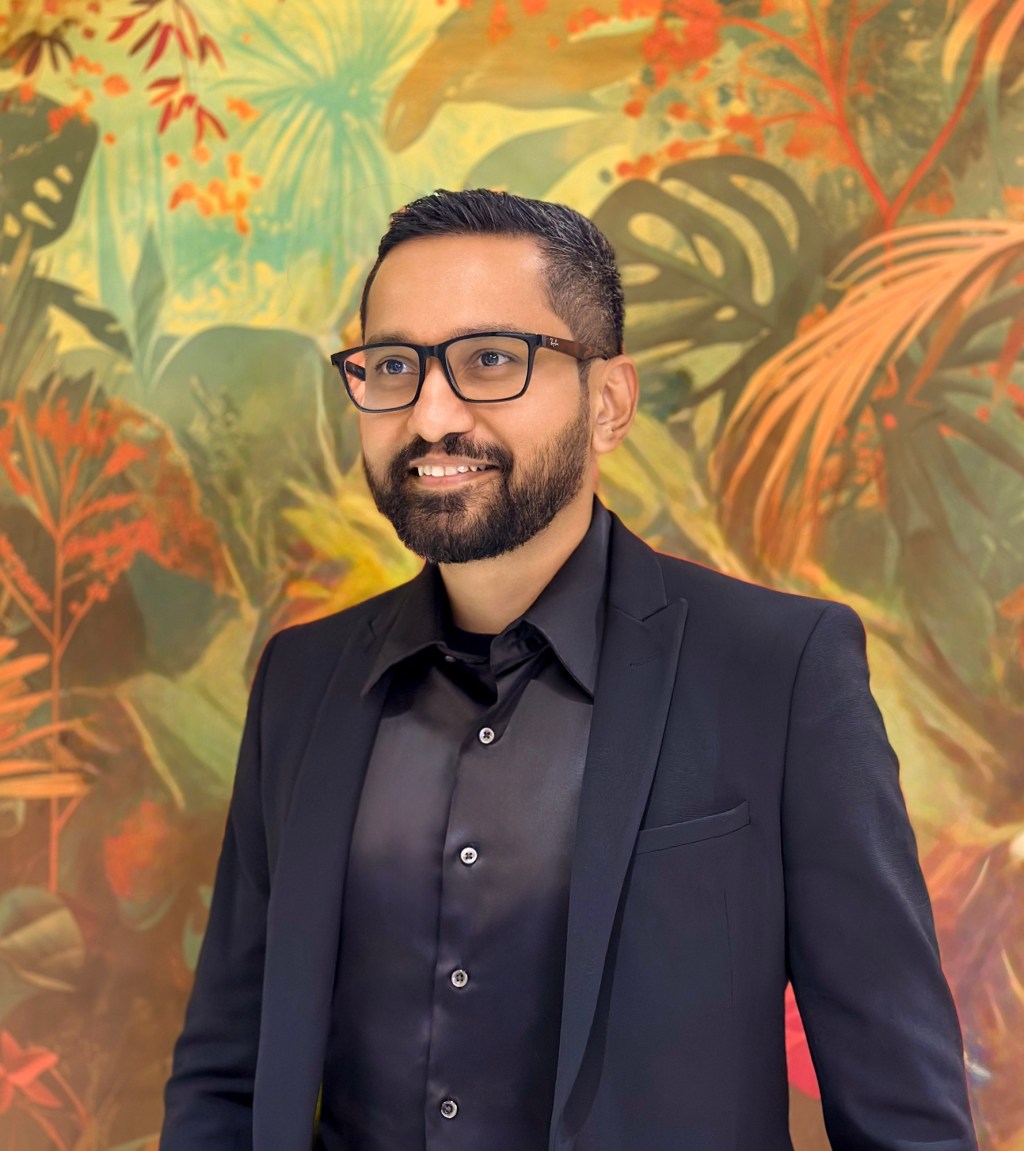
-By Amar Kondekar
Over the last two decades, marketing has evolved faster than any other discipline. But in the last two years, the shift has been seismic. With AI now embedded into every layer of how we create, communicate, and experience brands, the future of marketing will not be defined by who has better tools. It will be defined by who designs better human experiences.
I have spent 15 years in advertising, film, content, and creative operations. I’ve built teams, handled scaled campaigns, navigated chaos, and watched industries transform. And in all these years, one truth has remained constant: technology amplifies, but human experience decides.
Today, as AI becomes mainstream in India—especially with partnerships like Reliance and Google coming together to democratise AI for millions—marketing is entering its most exciting chapter. But it is also entering its most responsible one.
⸻
AI is Not a Tool. It’s a System. A Human Experience System.
For a long time, AI was treated as a productivity hack. “Make this faster, automate that, reduce turnaround time.” But this mindset is outdated. AI is no longer just a back-end engine. It is a front-facing, behaviour-shaping, decision-influencing system that interacts with consumers in real time.
From personalised recommendations on Jio platforms
to dynamic storytelling across campaigns,
to predictive behaviour modelling at scale —
AI is now setting the baseline for what consumers expect.
But here’s the deeper truth:
AI can tell us what people want.
Only humans can understand what people feel.
That is where the next frontier lies.
⸻
The India Imperative: Scale Meets Sensitivity
India is unique. We are not a monolithic market. We are a billion emotional universes with dreams, pressures, cultural layers, contradictions, aspirations, and anxieties. AI can help us decode these patterns, but the responsibility of interpreting them rests on us — the marketers, creators, leaders.
I see this every day at Jio Creative Labs.
AI gives us unimaginable speed, but the soul of the work still comes from human insight — from observing people, listening deeply, recognising cultural nuances, and understanding the emotional context behind every behavioural shift.
And this is where the future lies: the intersection of intelligence and intuition.
⸻
Why Human Experience Matters More Than Ever
Technology will keep evolving. Models will get smarter. Systems will get faster. But if all this progress does not translate into deeper, richer human experiences, then what are we truly building?
This question hits me personally.
My journeys through yoga, NLP coaching, triathlons, sea swimming, and now the Seven Summits preparation have repeatedly shown me that a stronger mind creates stronger decisions. A fitter body creates clearer thinking. A more centred spirit creates better leadership.
This is not philosophy.
This is performance science.
A mind that is calm, a body that is trained, and a spirit that is grounded — these are not luxuries for leaders. They are necessities.
In a world where AI will increasingly take over the mechanical parts of our work, what remains as our true advantage?
Human depth. Human clarity. Human empathy.
Consumers can feel it. Teams can feel it. Brands can feel it.
⸻
The Strategic Shift: Human Experience as a Business System
If the last decade was about digital transformation,
the next decade will be about human transformation.
Marketing leaders will need to move from:
• Campaigns → to Experiences
• Communication → to Connection
• Segments → to Sentiments
• Personalisation → to Personal meaning
The organisations that win will be those that create systems where AI handles scale and humans handle significance.
And this requires investment — not just in technology, but in ourselves.
When leaders invest in enhancing their personal experiences through wellness, creativity, endurance, mindfulness, and learning, they automatically shape more thoughtful brands, better teams, and more intuitive decisions.
When marketers evolve as humans, marketing evolves as a discipline.
⸻
The Responsibility on Leaders — and the Responsibility to Consumers
As leaders in marketing and business, we shape narratives that can influence millions. We design actions that change behaviours. We decide what stories get told and how they get told.
This power is extraordinary — and so is the responsibility.
Consumers today expect more than campaigns.
They expect care.
They expect clarity.
They expect brands to elevate the human experience, not exploit it.
AI can help us get closer to them, but only we can ensure that we do it ethically, sensitively, and with intention.
⸻
The Way Forward: Build Tech. Build Teams. But Above All, Build Humans.
The next frontier of marketing is not just technology.
It is technology in service of humanity.
We need systems where:
• AI enhances efficiency
• Leaders enhance empathy
• Organisations enhance wellbeing
• Marketing enhances human experience
If AI gives us more time, let us use that time to build better minds, better bodies, and better spirits — because these are the real engines of creativity, leadership, and transformation.
As we stand at the edge of the AI era, it’s clear:
The brands that will define the future are the ones that help people feel more human.
And the leaders who define the future will be those who invest in enhancing the human experience — for themselves, for their teams, and for the consumers they serve.
 OLLI One Life. Live It.
Leave a comment